

The origin story of Stardew Valley
Ten years ago, Eric “ConcernedApe” Barone grew a niche subgenre into a global hit. Here’s how he built his indie blockbuster.

This may be hard to believe, but 20 years ago, farm simulations were the niche-est of niche game subgenre. Here’s how I felt I had to explain (and defend the existence of) them in a 2004 Wired magazine piece.
“Who would possibly want to play Little House on the Virtual Prairie? A surprising number of people. Your task is to tend crops, raise livestock, befriend the local townspeople, marry a village lass, and raise kids. For gamers desensitized by one too many frag sessions, playing Harvest Moon is like spending a rejuvenating weekend with Thoreau at Walden Pond.”
That’s how I described an entry in Natsume’s pioneering Harvest Moon series. Few people loved that series more than Eric ‘ConcernedApe’ Barone. “Harvest Moon had this way of truly immersing you in pure video game magic,” he said when I interviewed him for Game Developer in 2016. “I played a lot of great games as a kid, and soaked everything up.”
Barone spent four years crafting his own unique take on the farm sim, developing it almost entirely by himself. When he released Stardew Valley ten years ago, its success quickly dwarfed the Harvest Moon franchise that inspired it.
Barone’s game has gone on to sell over 50 million copies, spawning tie-in merch, a concert tour, and endless imitators and homages and mods. He has continued to expand and improve the game, recently announcing a 1.7 update. Through it all, Stardew Valley still feels like a labor of love driven by the vision of one individual, even though there’s now a team of people working on it.
“To me, that's the point of ‘indie’,” he told me in 2016. “It's more personal, there's no focus-tested communication strategy designed to maximize sales. I'm not trying to generate hype or be some PR mouthpiece.”
If you want to hear Barone’s current thoughts on the game’s legacy and its future, there’s a 10-year anniversary video on YouTube. If you want to revisit what was going through his mind during that first flush of success, read on.
The 4 years of self-imposed crunch that went into Stardew Valley
Is crunch time still unconscionable even when it’s self-imposed? You have to wonder when you hear about one 28-year-old Seattleite's grueling four-year quest to make the ultimate farming sim.
"On average, I probably worked on it 10 hours a day every day of the week during development," says Eric Barone. "Now that the game is out, I'm probably spending more like 15 hours a day on it."
He’s talking about his one-man labor of love Stardew Valley, which began as an homage to the classic franchise Harvest Moon. Eventually, Barone dreamed of creating the ultimate apotheosis of Harvest Moon—a game that was equally soothing and idyllic, but vaster and more ambitious than anything Natsume ever dreamed of.
“My experiences playing Harvest Moon are priceless and have had a deep impact on me, and I wanted my own game to have that kind of power,” says Barone. “However, I know that to make a great game you can’t just create ‘art’... the game needs to be fun.”
The first step was admitting that the game he idolized could be improved upon. "The gameplay in Harvest Moon was usually fun, but I felt like no title in the series ever brought it all together in a perfect way," says Barone. "My idea with Stardew Valley was to address the problems I had with Harvest Moon, as well as create more 'purpose' with tried-and-true gameplay elements such as crafting and quests."
Players eventually discover a deep crafting system, as well as dungeons and mines beyond the sprawling farmland and the well-populated town. Bored picking vegetables? Go slay some monsters or forge something from precious metal.
It’s an ambitious project, especially since Barone was only 24 at the time he announced it on Steam Greenlight. “I’ve always been obsessed with creating stuff,” he says, “For as long as I can remember, I spent my spare time doodling, making music, writing... basically all the different aspects of making a game. I just didn’t know at the time that I would find a way to combine all those things to bring a cohesive vision to life.”
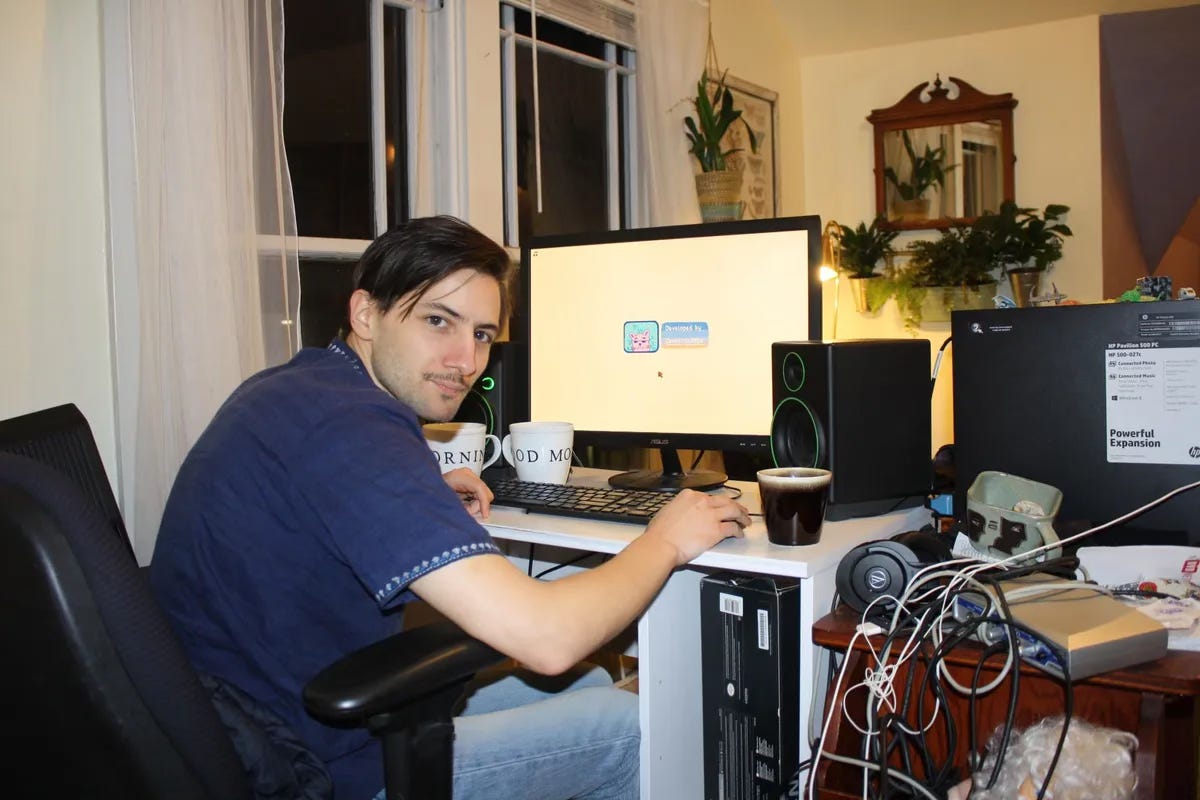
He created every bit of the game's art and graphics and code, and it has a lovely retro aesthetic that suggests...well, it suggests a creator who immersed himself in a 20-year-old franchise for most of his twenties. "At some point, I got older and lost touch with the games 'scene;'" he says.
There's no time to keep up with everything happening when you're pouring 70 hours a week into your raison detre. "In many ways, I think I'm stuck in the past," adds Barone. "But it's a past where game worlds were creative and magical... a celebration of that special, overwhelming feeling of wonder that we experience as children."
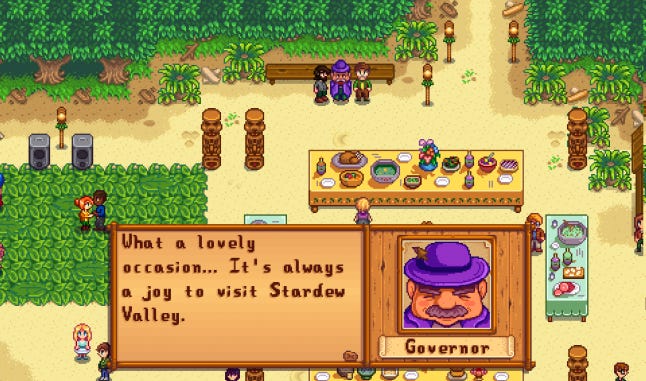
His passion project was released on February 26th, and it's already a massive hit. It's received excellent reviews and over 300,000 sales (according to SteamSpy). Part of this might be credited to his attentiveness to his fan community. He sought feedback on the game concept via Steam Greenlight, then refused to do an Early Access campaign or accept money till it was feature complete.
“You should be free to work yourself to the bone, but not to force someone else to do that for you”
All the while, he kept fans informed of how he was progressing via Reddit and Twitter. Now that the game is out, he has ratcheted up his dedication, attempting to patch away every flaw that players have discovered. And he promises expansions and updates galore
Barone has amassed so much goodwill that even people pirating his game are posting on the torrents about how the fully intend to buy it someday. Other fans responded by buying extra copies to give to anyone who can't afford the game, or was planning on pirating it.
"My strategy with the community is simple: no strategy at all!" says Barone. "I think that, as an indie developer, you should just be yourself and be a real human. I try to act online like I do in real life: treat everyone with respect, and be as honest and straightforward as possible."
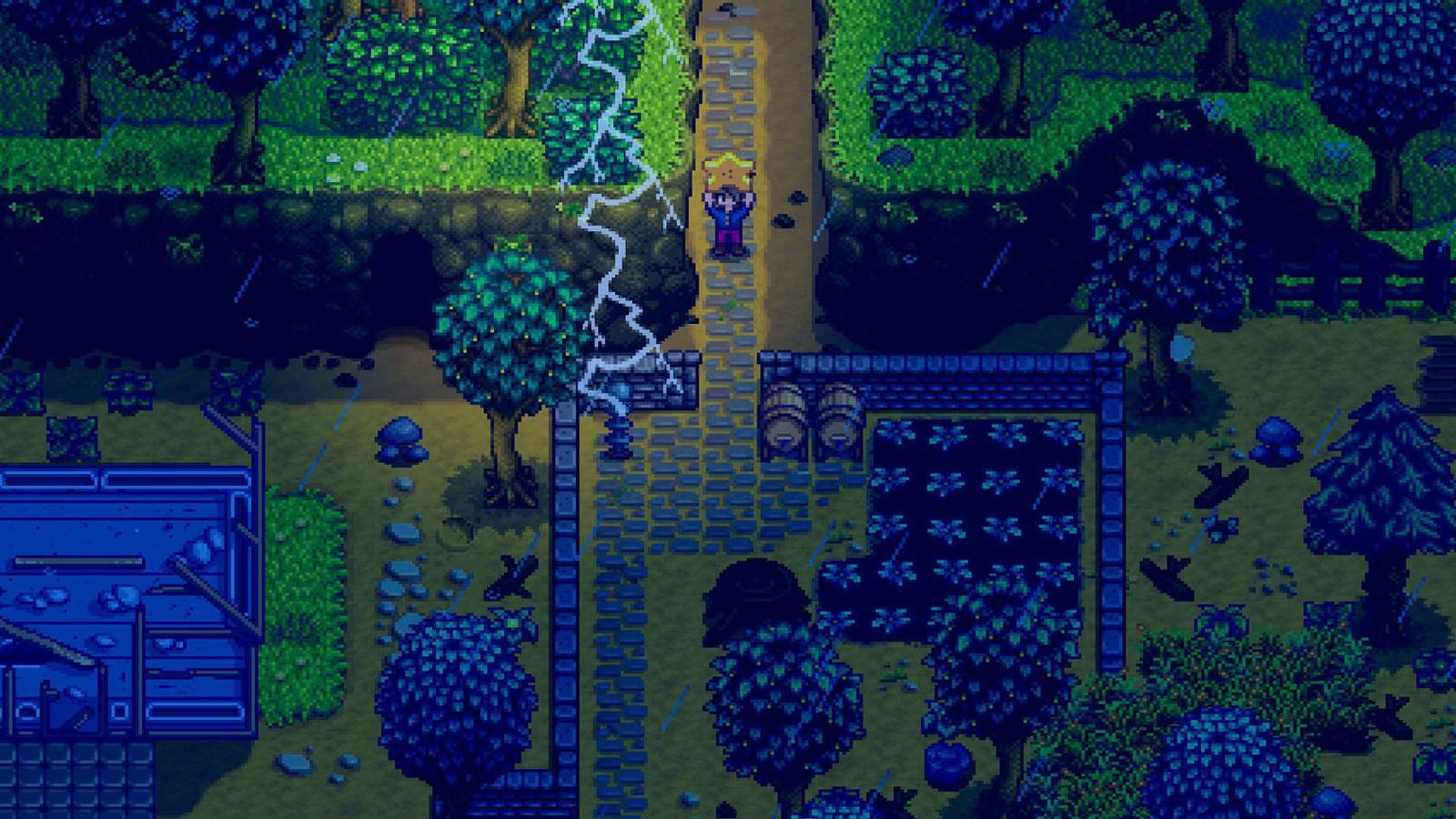
The only dark cloud hanging over this pastoral paradise are misgivings about just how much time Barone spends on the game. In this post-EA Spouse world, it's hard not to wince when you hear about someone has condemned himself to years of perpetual crunch. What drives him to do that?
"It's both passion and discipline," says Barone. "I think it's a lot easier to stay driven when you're doing your own project, knowing that there are no limits to how far you can go."
"I'm choosing to do this much work because I want to be an indie game developer and see my project come to fruition," he adds. "While those developers at EA were, in effect, forced to work against their will. I don't think it's right. You should be free to work yourself to the bone, but not to force someone else to do that for you."
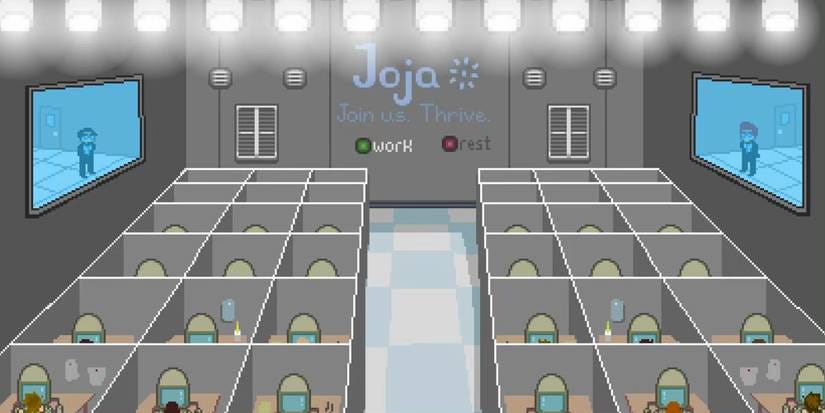
“There were times during development that I didn't feel like working, that I even wanted to quit entirely," he concedes.
"Looking back, I think the development was characterized by phases of insane productivity followed by phases where I hardly worked at all," says Barone. "I'm not sure if there was any technique to it or if it was just a quirk of my brain chemistry. I did always have a ridiculous amount of faith in myself and in the game, and yet I knew that I was still a nobody and the only way I could change that was to work super hard."
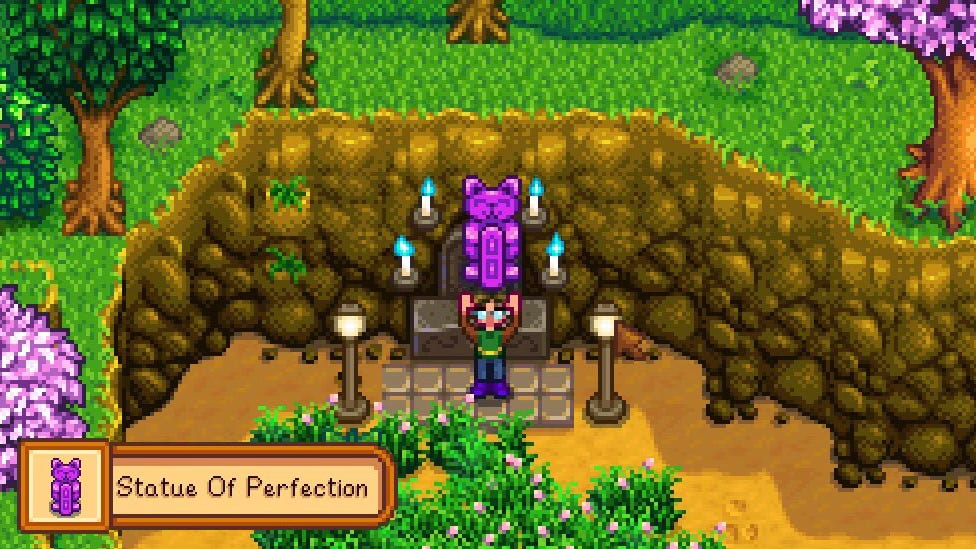
"It does help if you can absolutely convince yourself that you're destined for greatness," says Barone. "It's not even an ego thing—it's just a way to prevent doubt and insecurity from hindering you."
-30-
ELSEWHERE:
On Push to Talk, Ryan K. Rigney charts the family tree of the cozy farm sim, from its roots in Harvest Moon to the trunk of Stardew Valley to the endless branches of imitators and mods. “The most popular mod for Stardew Valley is called Stardew Valley Expanded, which adds new characters, areas, items, among countless other tweaks to the game’s design. It has been downloaded over 20 million times on Nexus Mods. At some point Expanded’s creator, FlashShifter, had his car stolen and, in a fit of desperation, reached out to Barone and asked if he’d be willing to pay him for work. Barone hired him, and Flash wound up becoming an actual developer on Stardew Valley itself.”
On Playing This Week, Katya Ryabova describes her experience logging nearly 700 hours of playtime in Stardew Valley. “The best part is that these hours are most definitely not the final figure. Stardew Valley’s solo developer Eric ‘ConcernedApe’ Barone keeps pushing content updates for the game, which reliably land every couple of years or so, bringing major additions to the universe, new content, and challenges.”
At Unknown Arts, Patrick Morgan explains how Stardew Valley exemplifies the creative principles of industrial design icon Dieter Rams. “The game's design allows for a lot of player customization: from your farm layout to your character's appearance to the relationships your character builds with NPCs. So many ways to personalize your experience and make the game feel like your own.”
At Cattywampus, Heather Hogan talks about revisiting the game and finally hundred percenting it. “This is my tenth Stardew farm, and just this week, for the first time, I finally achieved perfection! Until this update, there just wasn't enough late-game content to keep me invested to check off every single task in the game.”
At The Cookbook Test, James Norton has a review of The Official Stardew Valley Cookbook. “In terms of fitting the spirit of the game, the book's a success. It incorporates characters, quotes, and visuals from Stardew Valley throughout, and it doesn't really seem to ‘break character’ - it restates most of the tone and lore of the game, albeit without really building anything new”
At Mustard's Museum of Pixel Art, JustSomeMustard praises the beautiful blocky aesthetic of the game. “ConcernedApe (creator of Stardew Valley) put so much thought into the gameplay and environment that [Mustard] find themselves taken aback by what this game offers.”
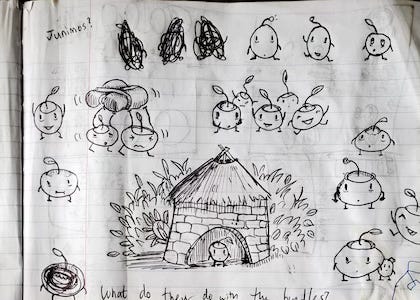
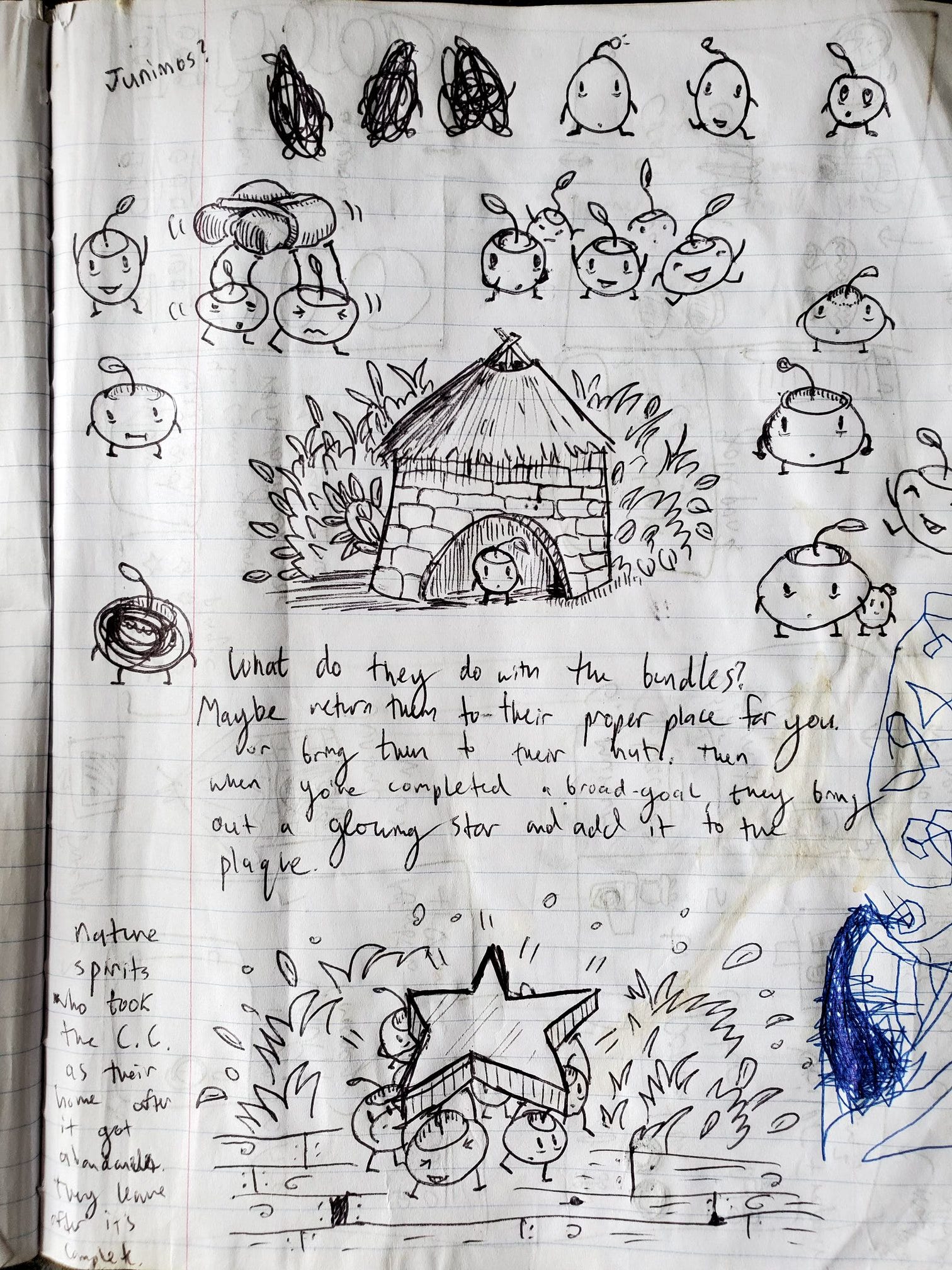
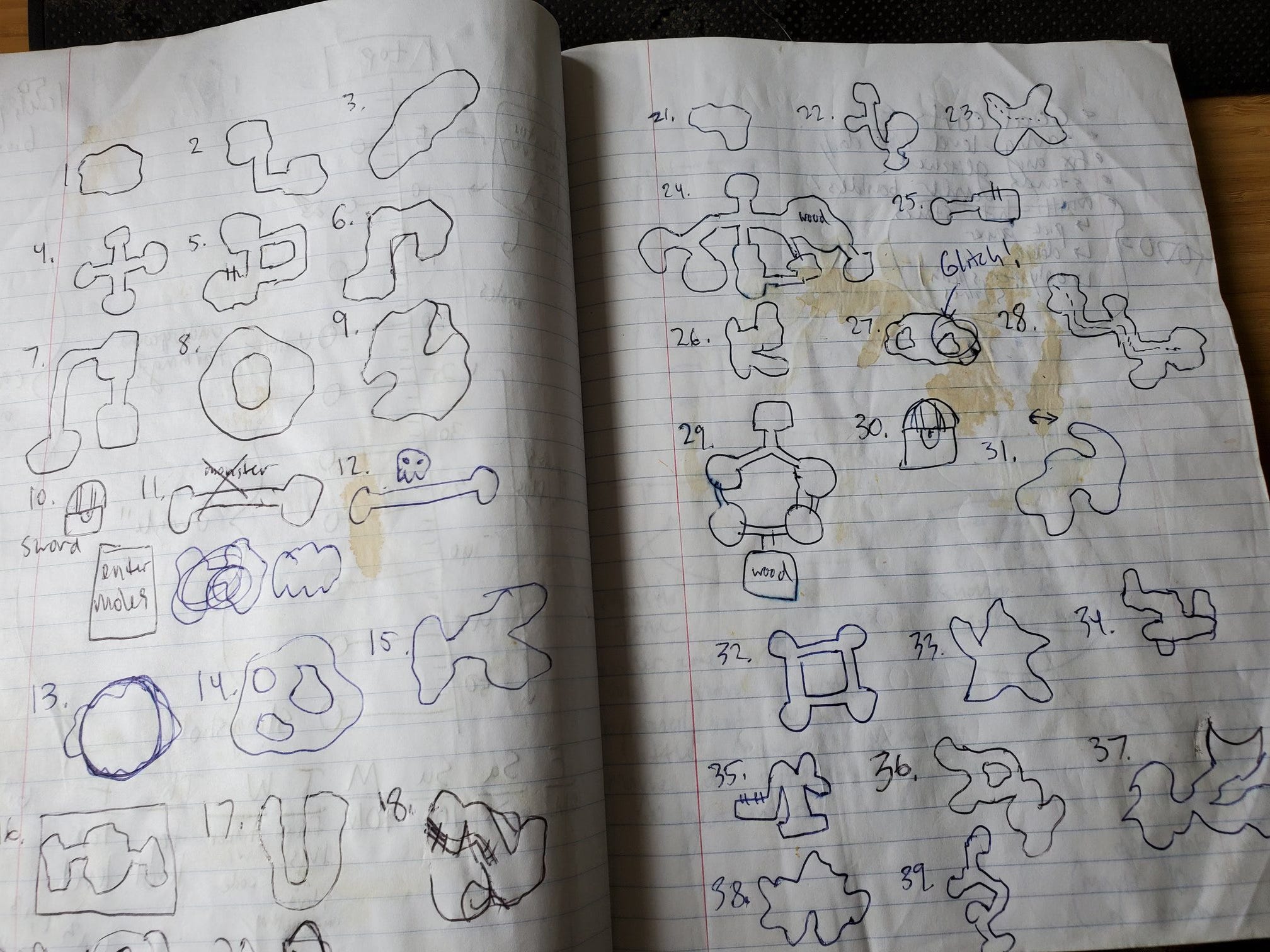
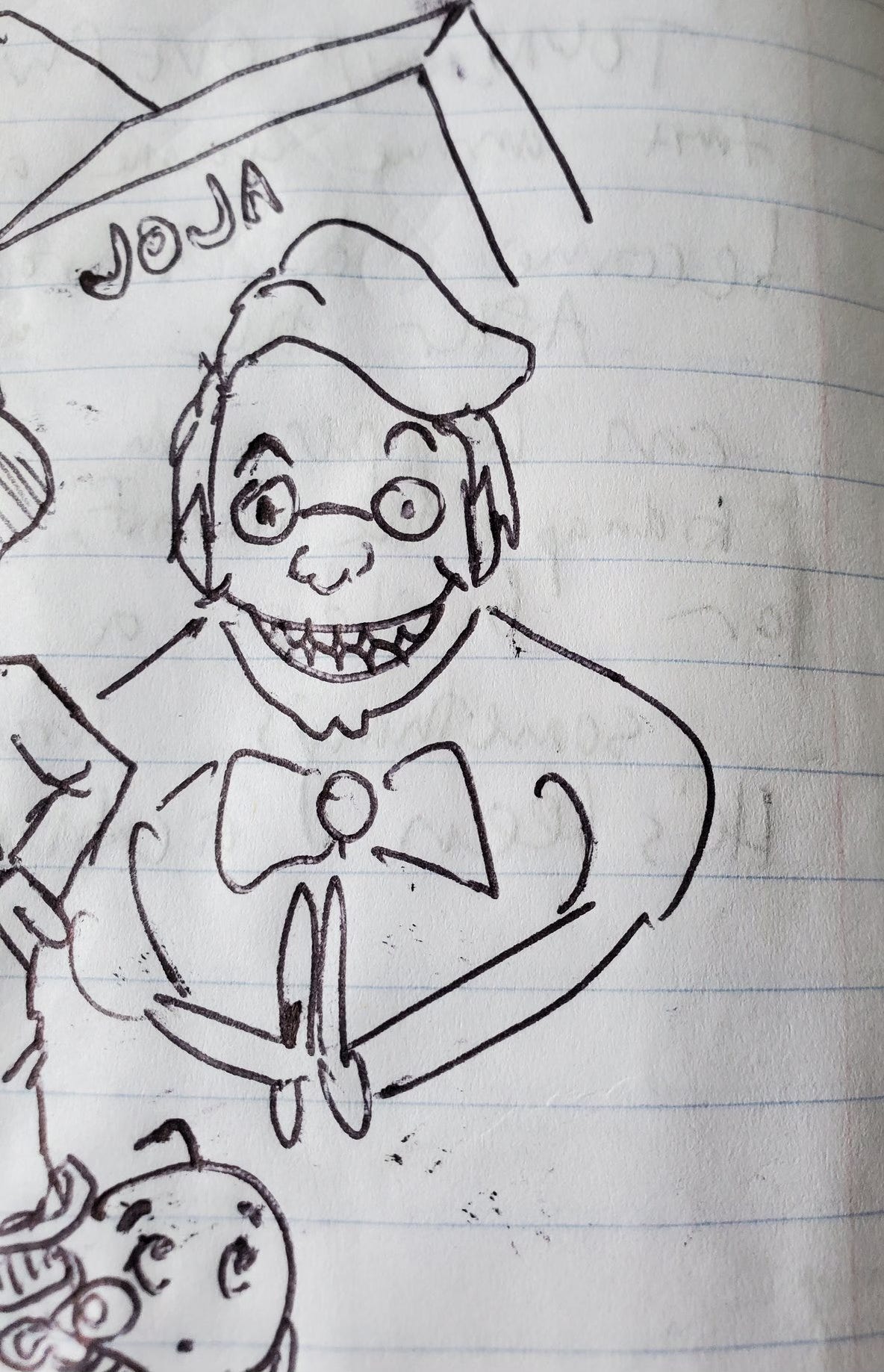
I adore the early sketches of characters, mechanics and sprites. It’s a wonder that this game keeps on giving, but you can see the heart and soul that goes into it.
I had a great time with Harvest Moon Back to Nature on the psx. The mechanics of effectively watering and weeding then harvesting your crops and visiting the town every day was really rewarding. But I didn't care for the later 3d non-overhead perspective games as they were just too slow. Stardew Valley managed to understand what 64/btn did right and ignored the odd choices the series made after.